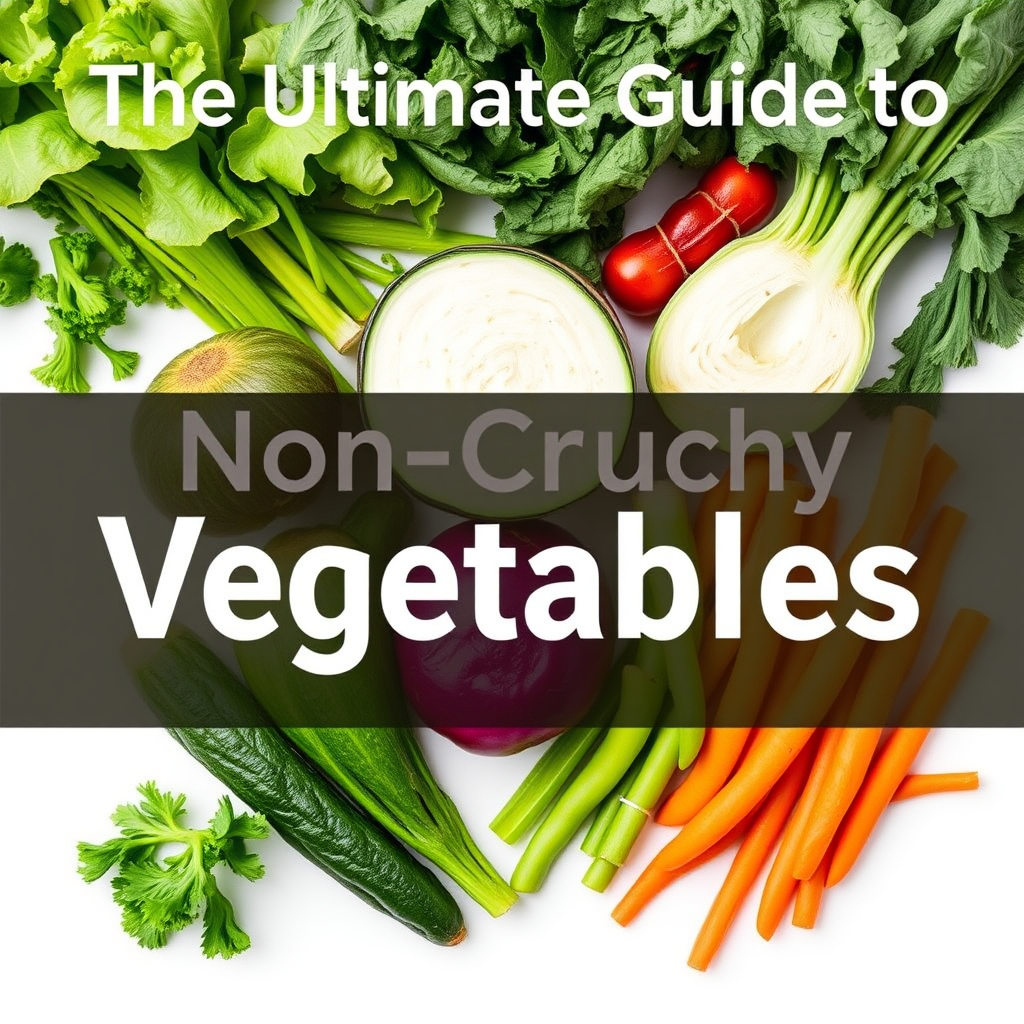
For years, a common myth has circled the ketogenic diet: that it’s an all-out war on plants. Many newcomers believe they must bid farewell to vegetables to keep their carb count at rock bottom. However, the opposite is true. A well-formulated, sustainable keto lifestyle isn’t just about bacon and butter; it’s rich in vibrant, nutrient-dense, non-starchy vegetables.
These low-carb powerhouses are the key to avoiding nutrient deficiencies, improving digestion, and making your meals satisfying and delicious. As interest in healthy, long-term ketosis continues to surge, understanding which vegetables to embrace is more critical than ever. This comprehensive guide will walk you through everything you need to know about non-starchy vegetables and how to make them the cornerstone of your keto success.
What Are Non-Starchy Vegetables, Exactly?
At the most basic level, vegetables can be categorized based on their starch content. Starch is a type of complex carbohydrate that your body breaks down into glucose (sugar), which can raise blood sugar levels and kick you out of ketosis. Non-starchy vegetables, as the name implies, contain very little starch and sugar, making them ideal for a low-carb, high-fat diet.
Starchy vs. Non-Starchy: The Key Difference
The primary distinction lies in their composition and impact on your metabolism.
Starchy Vegetables: Think potatoes, corn, peas, and winter squash. They are calorie-dense and high in carbohydrates. A single medium-sized potato, for example, can pack over 30 grams of net carbs, exceeding the daily limit for most keto dieters.
Non-Starchy Vegetables: These are typically high in water and fiber content but low in digestible carbohydrates. Think leafy greens, broccoli, cauliflower, and bell peppers. Their structure is mostly water and fibrous cellulose, which your body doesn't fully digest, leading to a minimal impact on blood sugar.
The Critical Role of Net Carbs
On the keto diet, we focus on 'net carbs' rather than total carbohydrates. The calculation is simple: Net Carbs = Total Carbohydrates - Fiber. Since fiber isn't digested and converted into glucose, we can subtract it from the total. Non-starchy vegetables are champions in this regard, often containing a high amount of fiber relative to their total carbs. A deep dive into understanding net carbs can be a complete game-changer for accurately tracking your intake and staying in ketosis without feeling deprived.
Why Non-Starchy Vegetables Are Essential for Keto Success
Simply cutting carbs isn't enough for long-term health. Your body requires a steady supply of vitamins and minerals to function optimally. Non-starchy vegetables are the most efficient way to get these micronutrients without derailing your progress.
Packed with Vital Micronutrients and Electrolytes
When you restrict carbs, your body flushes out water and, along with it, essential electrolytes like potassium, magnesium, and sodium. This imbalance is often the primary cause of the dreaded "keto flu." Non-starchy vegetables are nutritional powerhouses that help replenish these vital minerals.
Potassium: Found in spinach, avocados, and mushrooms, it's crucial for nerve function and blood pressure regulation.
Magnesium: Dark leafy greens like Swiss chard are packed with magnesium, which helps with muscle function, energy production, and sleep.
Vitamins: Bell peppers and broccoli are loaded with Vitamin C, while leafy greens provide Vitamin K and folate.
A Fantastic Source of Gut-Friendly Fiber
Digestive issues can be a common complaint when starting keto. Fiber is the solution. It feeds beneficial gut bacteria, promotes regular bowel movements, and helps you feel full and satisfied after meals, reducing the urge to snack. To truly optimize your digestion and overall well-being, it's worth exploring the importance of fiber on keto and how it contributes to a healthy gut microbiome.
Adding Volume, Variety, and Hydration to Your Meals
Let's be honest: a plate of just meat and cheese can get boring. Non-starchy vegetables add color, texture, and volume to your meals, making them visually appealing and more satiating. Because they are high in water content, they also contribute to your daily hydration needs—a factor that's often overlooked on a ketogenic diet.
The Definitive List of Keto-Friendly Non-Starchy Vegetables
Here is a breakdown of the best vegetables to stock in your kitchen, categorized for easy reference. Net carb counts are approximate per 1 cup serving and can vary slightly.
Leafy Greens: The Unsung Heroes (1-3g Net Carbs)
These should be a daily staple. They are incredibly low in carbs and versatile enough for salads, sautés, or smoothies.
Spinach: A nutritional superstar, perfect for wilting into hot dishes or as a salad base.
Kale: Hearty and full of antioxidants. Great for salads or baked into crispy chips.
Arugula: Adds a peppery bite to salads and works well as a topping for keto pizza.
Lettuce (Romaine, Butter, Iceberg): The foundation of any great salad or a perfect wrap substitute.
Swiss Chard: A mild-flavored green that's excellent sautéed with garlic and olive oil.
Cruciferous Powerhouses (3-6g Net Carbs)
This family of vegetables is renowned for its health benefits and incredible versatility in keto cooking.
Cauliflower: The ultimate keto chameleon. Use it for rice, mash, pizza crusts, and more.
Broccoli: High in fiber and Vitamin C. Perfect for roasting, steaming, or adding to stir-fries.
Cabbage: Inexpensive and versatile. Use it for coleslaw, stir-fries, or as a wrap.
Brussels Sprouts: Delicious when roasted with bacon until crispy.
Radishes: When roasted, their sharp flavor mellows, making them a fantastic substitute for potatoes.
Other Keto All-Stars (3-7g Net Carbs)
Don't forget these fantastic options to add diversity to your diet.
Zucchini: The original low-carb noodle ("zoodle"). Also great for grilling or baking.
Bell Peppers: Green peppers are the lowest in carbs, followed by yellow and red. Excellent raw, stuffed, or in fajitas.
Asparagus: A classic side dish, especially when wrapped in bacon or roasted with parmesan.
Mushrooms: Add a savory, umami flavor to any dish.
Cucumbers: Hydrating and refreshing, perfect for salads or as a vehicle for dips.
Celery: A crunchy, low-calorie snack that pairs perfectly with cream cheese or almond butter.
Green Beans: A great side dish when steamed or sautéed.
Onions & Garlic: Best used in moderation as flavor enhancers, as their carbs can add up quickly.
Vegetables to Limit or Avoid on Keto
To stay safely in ketosis, it's best to steer clear of most starchy and root vegetables. This includes potatoes, sweet potatoes, corn, peas, parsnips, and most winter squashes (like butternut). Carrots and beets are also higher in sugar and should be consumed in very small quantities, if at all.
Creative Ways to Incorporate More Non-Starchy Veggies
Knowing which vegetables to eat is half the battle; the other half is making them a regular, enjoyable part of your routine. Effective keto-friendly meal planning always prioritizes these versatile vegetables to ensure a balanced and satisfying diet.
Breakfast Boosters
Toss a handful of spinach and mushrooms into your morning omelet.
Create "egg boats" by baking eggs inside hollowed-out bell peppers.
Sauté kale with garlic to serve alongside your bacon and eggs.
Lunch and Dinner Staples
Swap pasta for zucchini noodles (zoodles) or spaghetti squash.
Use cauliflower rice as a base for curries, stir-fries, or burrito bowls.
Roast a big batch of broccoli, Brussels sprouts, and asparagus with olive oil and seasoning for an easy side dish all week.
Use large lettuce leaves or steamed cabbage leaves as wraps for tacos or sandwiches.
Smart Snacking
Dip celery sticks and cucumber slices in guacamole or a keto-friendly ranch dip.
Enjoy bell pepper strips with cream cheese.
Snack on a bowl of olives and a few cherry tomatoes.
Common Questions About Non-Starchy Vegetables on Keto
Here are answers to some frequently asked questions to clear up any lingering confusion.
Can you eat too many non-starchy vegetables on keto?
Yes, it's possible. While they are low in carbs, the carbs can add up if you consume them in very large quantities. It's always a good practice to track your intake, especially when you're first starting out, to understand how different portion sizes affect your daily macros.
Are frozen non-starchy vegetables as good as fresh?
Absolutely. Frozen vegetables are a fantastic, budget-friendly option. They are typically flash-frozen at their peak ripeness, which preserves their nutrient content remarkably well. They are perfect for stir-fries, soups, and smoothies.
What about organic vs. conventional vegetables?
This is a personal choice that often depends on budget and availability. If you're concerned about pesticides, consider prioritizing organic for produce on the Environmental Working Group's "Dirty Dozen" list (like spinach and bell peppers). However, the consensus is clear: the health benefits of eating conventional vegetables far outweigh the risks of avoiding them altogether.
Your Foundation for a Thriving Keto Lifestyle
Non-starchy vegetables are not an afterthought on the ketogenic diet—they are the foundation of a healthy, sustainable, and enjoyable journey. By filling your plate with these nutrient-dense, high-fiber, low-carb foods, you provide your body with the essential tools it needs to thrive while you achieve your health goals.
Forget the myth of the vegetable-free keto diet. Embrace the color, flavor, and immense nutritional power of non-starchy vegetables. Your body will thank you for it.
What's your go-to non-starchy vegetable for staying in ketosis? Share your favorite recipes and tips in the comments below!