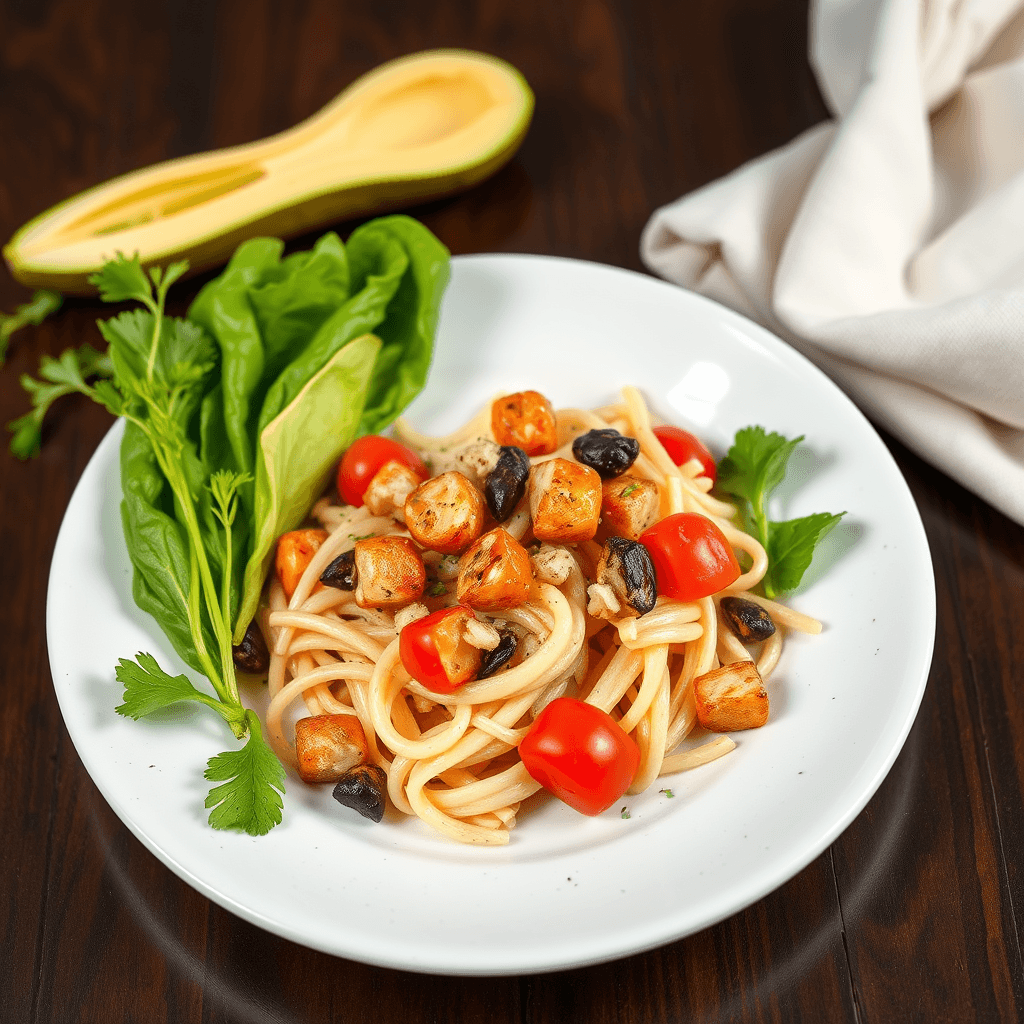
Keto Diet Plan 2025: Your Comprehensive Guide to Achieving Ketosis
The ketogenic diet, or keto diet, has remained a popular and effective approach to weight management and overall health improvement as we move into 2025. This high-fat, very low-carb diet forces the body to switch its primary fuel source from glucose (derived from carbohydrates) to ketones (produced from fat). This metabolic state, known as ketosis, can lead to significant weight loss, improved blood sugar control, and other health benefits. This comprehensive guide provides everything you need to know to create and follow a successful keto diet plan in 2025.
Understanding the Keto Diet Basics
The foundation of any successful keto diet plan lies in understanding the core principles. Here's a breakdown:
What is Ketosis?
Ketosis is a metabolic state where your body primarily uses fat for fuel instead of carbohydrates. When you drastically reduce your carbohydrate intake, your liver breaks down fat into fatty acids and ketones. These ketones become the primary energy source for your brain and body. Achieving and maintaining ketosis is the key to reaping the benefits of the keto diet. The goal is to swap out glucose calories with fat according to [WebMD's Keto Diet: A Beginner's Guide](https://www.webmd.com/diet/keto-diet-for-beginners).
Macronutrient Ratios: The Keto Formula
The typical keto diet macronutrient breakdown looks like this:
* **Fat:** 70-80% of daily calories
* **Protein:** 20-25% of daily calories
* **Carbohydrates:** 5-10% of daily calories (typically no more than 50 grams per day)
These ratios are guidelines and may need adjustments based on individual factors like activity level, metabolism, and health goals. Using a macro tracking app can be helpful in monitoring your intake and ensuring you stay within the desired ranges.
Keto-Friendly Foods: Building Your Shopping List
A keto diet plan revolves around consuming foods high in healthy fats, moderate in protein, and very low in carbohydrates. Here’s a list of foods that are generally acceptable:
* **Healthy Fats:** Avocado, olive oil, coconut oil, MCT oil, nuts (almonds, walnuts, macadamia nuts), seeds (chia seeds, flax seeds), fatty fish (salmon, mackerel, sardines)
* **Proteins:** Meat (beef, chicken, pork, lamb), poultry, fish, eggs, seafood
* **Low-Carb Vegetables:** Leafy greens (spinach, kale, lettuce), broccoli, cauliflower, asparagus, zucchini, bell peppers
* **Dairy (in moderation):** Cheese (cheddar, mozzarella, cream cheese), heavy cream, unsweetened Greek yogurt
Foods to Avoid on Keto
Avoiding high-carb foods is crucial for maintaining ketosis. These foods should be strictly limited or avoided:
* **Grains:** Wheat, rice, corn, oats, barley
* **Sugary Foods:** Candy, soda, juice, ice cream, pastries
* **Starchy Vegetables:** Potatoes, sweet potatoes, corn, peas
* **Fruits (most):** Bananas, grapes, oranges, apples (berries are acceptable in small amounts)
* **Legumes:** Beans, lentils, chickpeas
* **Processed Foods:** Many packaged snacks and processed foods are high in carbohydrates and unhealthy fats.
Creating Your Personalized Keto Diet Plan
While the general principles of keto remain constant, customizing your plan is essential for long-term success. Consider these factors when creating your personalized keto diet plan for 2025:
Assessing Your Individual Needs and Goals
* **Weight Loss:** If your primary goal is weight loss, focus on maintaining a calorie deficit while adhering to the keto macronutrient ratios.
* **Blood Sugar Control:** The keto diet can be particularly beneficial for managing blood sugar levels in individuals with type 2 diabetes. Work closely with your doctor to monitor your medication and adjust your diet accordingly.
* **Improved Energy Levels:** Many people report increased energy and mental clarity on keto. Be mindful of electrolyte balance to avoid “keto flu” symptoms.
* **Athletic Performance:** Some athletes have found keto beneficial for endurance performance. However, it may not be optimal for high-intensity activities. Experiment to see what works best for you.
Calculating Your Macros for Keto
Several online calculators can help you determine your ideal macronutrient intake based on your age, gender, weight, height, activity level, and goals. Remember that these are just starting points. Track your progress and adjust your macros as needed.
Sample Keto Meal Plan for One Week
This is an example meal plan based off of what [Healthline's Keto Diet Meal Plan](https://www.healthline.com/nutrition/keto-diet-meal-plan-and-menu) provides. This sample meal plan is just a starting point. Feel free to customize it with your favorite keto-friendly foods and recipes.
* **Monday:**
* Breakfast: Scrambled eggs with cheese and avocado
* Lunch: Chicken salad (made with mayonnaise and celery) served over lettuce
* Dinner: Steak with roasted broccoli and cauliflower
* **Tuesday:**
* Breakfast: Keto smoothie (made with almond milk, protein powder, spinach, and avocado)
* Lunch: Leftover steak and vegetables
* Dinner: Salmon with asparagus and a side of coconut oil
* **Wednesday:**
* Breakfast: Bulletproof coffee (coffee blended with MCT oil and butter) and a handful of almonds
* Lunch: Tuna salad (made with mayonnaise and celery) wrapped in lettuce leaves
* Dinner: Ground beef with sautéed onions, peppers, and mushrooms
* **Thursday:**
* Breakfast: Omelet with cheese, ham, and spinach
* Lunch: Leftover ground beef and vegetables
* Dinner: Pork chops with green beans and a side salad
* **Friday:**
* Breakfast: Chia seed pudding (made with almond milk, chia seeds, and berries)
* Lunch: Chicken Caesar salad (without croutons)
* Dinner: Shrimp scampi with zucchini noodles
* **Saturday:**
* Breakfast: Keto pancakes (made with almond flour and eggs)
* Lunch: Leftover shrimp scampi
* Dinner: Pizza with a cauliflower crust and your favorite keto-friendly toppings
* **Sunday:**
* Breakfast: Sausage and eggs
* Lunch: Leftover keto pizza
* Dinner: Roast chicken with Brussels sprouts and a side of mashed cauliflower
Meal Prepping for Keto Success
Meal prepping is a game-changer for staying on track with your keto diet plan. Dedicate a few hours each week to prepare meals and snacks in advance. This will prevent impulsive eating and ensure you always have keto-friendly options available. Consider these meal prep strategies:
* Cook large batches of protein (chicken, beef, pork) and vegetables.
* Prepare keto-friendly snacks like hard-boiled eggs, cheese sticks, and nuts.
* Portion out meals into containers for easy grab-and-go convenience.
Navigating the Challenges of Keto
While the keto diet offers numerous benefits, it can also present some challenges. Being aware of these challenges and having strategies to overcome them is crucial for long-term success.
The Keto Flu: Symptoms and Solutions
The “keto flu” is a common experience during the initial stages of the diet, as your body adapts to using ketones for fuel. Symptoms can include fatigue, headache, brain fog, and irritability. These symptoms are usually temporary and can be alleviated by:
* **Staying Hydrated:** Drink plenty of water and electrolyte-rich beverages.
* **Increasing Electrolyte Intake:** Supplement with sodium, potassium, and magnesium.
* **Gradual Transition:** Gradually reduce your carbohydrate intake instead of making a sudden switch.
Electrolyte Imbalance: Prevention and Management
The keto diet can lead to electrolyte imbalances as your body excretes more fluids. Ensure you’re getting enough sodium, potassium, and magnesium through food and supplementation. Good sources include:
* **Sodium:** Bone broth, sea salt
* **Potassium:** Avocado, spinach, mushrooms
* **Magnesium:** Almonds, pumpkin seeds, dark chocolate
Social Situations and Dining Out on Keto
Social situations and dining out can be tricky on the keto diet. Plan ahead by:
* **Reviewing Menus Online:** Check restaurant menus online to identify keto-friendly options.
* **Modifying Orders:** Don’t be afraid to ask for modifications, such as swapping out potatoes for vegetables.
* **Bringing Your Own Snacks:** Carry keto-friendly snacks to avoid temptation.
Long-Term Sustainability: Making Keto a Lifestyle
The key to long-term success on keto is making it a sustainable lifestyle, not just a temporary diet. Focus on:
* **Finding Enjoyable Foods and Recipes:** Experiment with different recipes and flavors to keep your meals interesting.
* **Building a Support System:** Connect with other keto enthusiasts for support and encouragement.
* **Listening to Your Body:** Adjust your diet as needed based on your individual needs and goals.
Advanced Keto Strategies
Once you’ve mastered the basics of the keto diet, you can explore advanced strategies to optimize your results.
Targeted Ketogenic Diet (TKD)
The TKD involves consuming carbohydrates around your workouts to fuel performance. This approach can be beneficial for athletes and individuals who engage in high-intensity exercise. Consume fast-digesting carbs 30-60 minutes before or after your workout.
Cyclical Ketogenic Diet (CKD)
The CKD involves cycling between periods of strict keto and periods of higher carbohydrate intake. This approach may be beneficial for individuals who want to incorporate more carbohydrates into their diet without completely abandoning ketosis. Typically this involves 5-6 days of keto followed by 1-2 days of higher carbs.
Intermittent Fasting and Keto
Combining intermittent fasting (IF) with the keto diet can enhance fat loss and improve insulin sensitivity. IF involves restricting your eating window to a specific period each day. Common IF protocols include 16/8 (16 hours of fasting, 8 hours of eating) and 5:2 (eating normally for five days and restricting calories to 500-600 for two days).
Check out our [Keto Diet Guide 2025](https://ketoaipro.vercel.app/blog/keto-guide-2025) for even more tips and strategies for success.
The Future of Keto in 2025
As we move further into 2025, the keto diet continues to evolve with new research and insights. Expect to see:
* **Increased Personalization:** More emphasis on tailoring the keto diet to individual needs and genetic predispositions.
* **Advanced Monitoring Technologies:** Wearable devices and biomarkers that provide real-time feedback on ketone levels and metabolic health.
* **Innovative Keto Products:** A wider range of keto-friendly foods and supplements that make it easier to adhere to the diet.
According to [Medical News Today's Keto Meal Plan article](https://www.medicalnewstoday.com/articles/327309), weight loss is a potential benefit of the keto diet. Always consult with a healthcare professional before starting any new diet, especially if you have underlying health conditions.
Conclusion: Embrace the Keto Lifestyle for a Healthier You
The keto diet plan, when implemented correctly, can be a powerful tool for weight loss, improved blood sugar control, and overall health enhancement. By understanding the basics, creating a personalized plan, and navigating the challenges, you can successfully adopt a keto lifestyle in 2025. Remember to consult with a healthcare professional before making any significant dietary changes. Start your keto journey today and experience the transformative benefits! Join our community and share your success stories!