How to Start a Keto Diet in 2025: The Ultimate Beginner's Guide
The ketogenic diet continues to be a dominant force in the health and wellness landscape. Far from being a fleeting trend, its principles of metabolic flexibility and using fat for fuel have cemented its place as a powerful tool for weight management, enhanced energy, and improved mental clarity. But if you're a newcomer, the question remains: how do you actually do a keto diet successfully?
Starting any new way of eating can feel overwhelming. There's new terminology, new shopping lists, and a new way of looking at your plate. This comprehensive guide is designed to cut through the noise and give you a clear, step-by-step roadmap to starting your keto journey with confidence in 2025.
Understanding the "Why": The Core Principles of Keto
Before diving into the "how," it's crucial to understand the "why." The ketogenic diet fundamentally shifts your body's primary energy source. On a standard high-carbohydrate diet, your body runs on glucose (sugar). On keto, you drastically reduce your carbohydrate intake, forcing your body to find an alternative fuel source: fat.
This metabolic state is called ketosis. In ketosis, your liver breaks down fats into molecules called ketones, which are then used by your brain and body for energy. This is not a state of starvation; it's a natural metabolic process that our ancestors likely experienced regularly. The goal of the keto diet is to enter and maintain this state of nutritional ketosis. Understanding the potential benefits of the ketogenic diet, from weight loss to cognitive function, can be a powerful motivator as you begin.
Step 1: Calculating Your Keto Macros
The foundation of the keto diet rests on macronutrients—or "macros." Getting these ratios right is the most critical step to achieving ketosis.
What are Macros?
Macronutrients are the three main nutrient categories that provide your body with energy:
Fats: Your new primary fuel source.
Proteins: Essential for muscle repair, hormone production, and cellular function.
Carbohydrates: Drastically restricted to trigger ketosis.
Typical Keto Macro Ratios
While individual needs vary, the standard keto diet follows this general breakdown of daily calories:
70-75% Fat
20-25% Protein
5-10% Carbohydrates
For most people, this means keeping net carbohydrate intake between 20-50 grams per day. Net carbs are calculated by subtracting fiber and certain sugar alcohols from the total carbohydrate count.
How to Calculate Your Personal Macros
The easiest way to determine your specific needs is to use a reputable online keto calculator. You'll input your age, gender, height, weight, activity level, and goals (e.g., weight loss, maintenance). The calculator will then provide you with a personalized target for calories, fat, protein, and carbs in grams.
For example, a moderately active individual aiming for weight loss on a 1,800-calorie diet might have macros like:
Fat: 140g
Protein: 100g
Net Carbs: 25g
Think of these numbers as your initial roadmap. You may need to adjust them slightly as you learn how your body responds.
Step 2: Cleaning Out Your Pantry (The Keto Makeover)
Success on keto begins in your kitchen. To set yourself up for an easy transition, you need to remove temptation and stock up on keto-friendly staples. It's time for a pantry makeover.
Foods to Remove
Go through your cupboards and refrigerator and either donate or discard the following:
Sugary Foods & Drinks: Soda, fruit juice, candy, ice cream, pastries.
Grains & Starches: Bread, pasta, rice, cereal, crackers, corn, quinoa.
Starchy Vegetables: Potatoes, sweet potatoes, yams.
Legumes: Beans, lentils, chickpeas, peas.
Most Fruits: Bananas, apples, oranges, grapes (berries are okay in small amounts).
Low-Fat & Diet Products: These are often packed with hidden sugars and fillers.
Unhealthy Fats: Processed vegetable oils like canola, soybean, and corn oil.
Foods to Stock Up On (Your Keto Shopping List)
Now, fill your kitchen with these nutrient-dense, high-fat, low-carb foods:
Healthy Fats: Avocado oil, extra virgin olive oil, coconut oil, MCT oil, grass-fed butter, ghee.
Quality Proteins: Fatty fish (salmon, sardines), grass-fed beef, poultry (dark meat is great), pork, eggs.
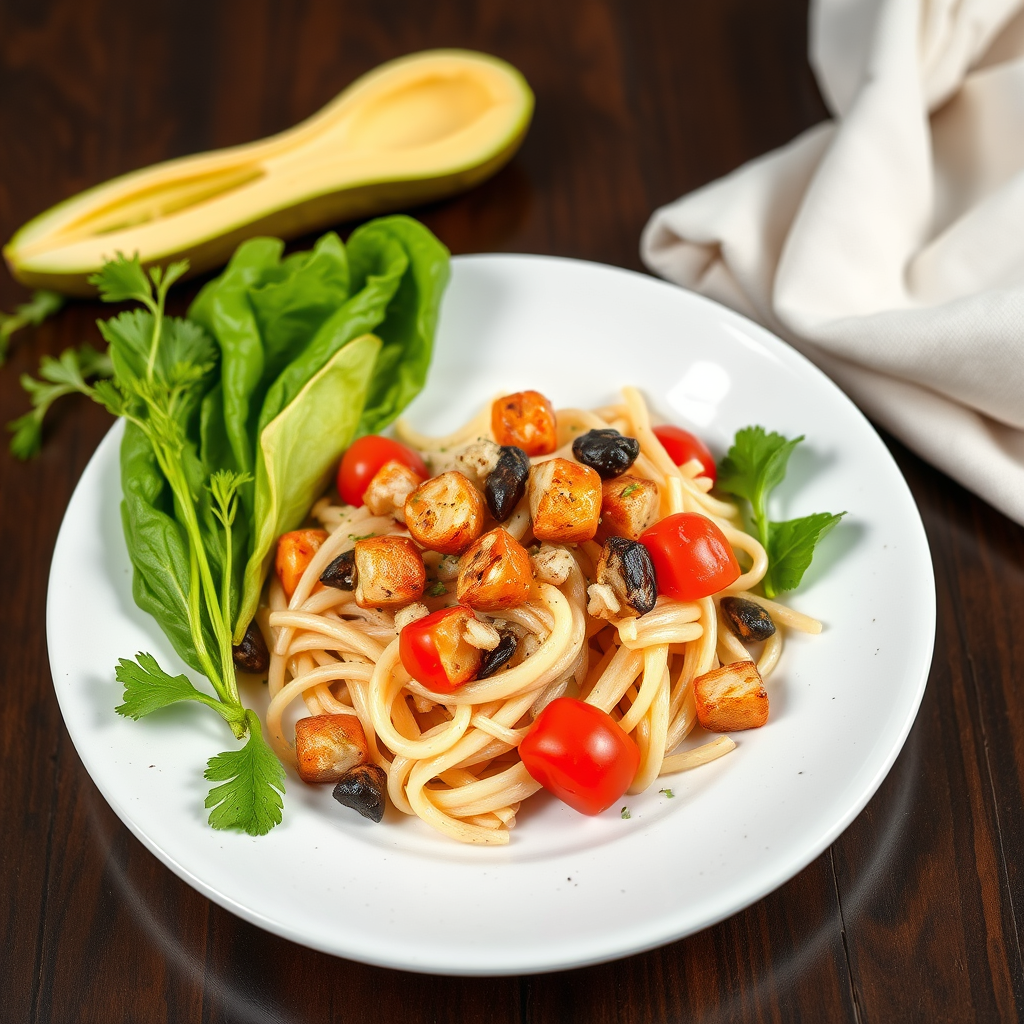
Low-Carb Vegetables: Spinach, kale, broccoli, cauliflower, zucchini, bell peppers, asparagus, avocado.
Full-Fat Dairy: Heavy cream, hard cheeses (cheddar, mozzarella), cream cheese, sour cream.
Nuts & Seeds: Macadamia nuts, pecans, walnuts, almonds, chia seeds, flax seeds, pumpkin seeds.
Berries: Raspberries, blackberries, and strawberries in moderation.
Keto-Friendly Sweeteners: Stevia, erythritol, and monk fruit.
Step 3: Planning Your First Week on Keto
The first week is often the most challenging. Having a plan eliminates guesswork and helps you stay on track when cravings might strike. You don't need to be a gourmet chef; simple meals are often the most effective.
A typical day might look like this:
Breakfast: Scrambled eggs cooked in butter with avocado and a side of bacon.
Lunch: A large spinach salad topped with grilled chicken, cheese, nuts, and an olive oil-based vinaigrette.
Dinner: Baked salmon with asparagus roasted in garlic butter.
Snack: A handful of macadamia nuts or a piece of cheese.
To make it even easier, we've created a complete guide with recipes and a shopping list. Check out our 7-day meal plan for 2025 to get started without any stress.
Step 4: Navigating the "Keto Flu"
As your body transitions from burning carbs to burning fat, you may experience a collection of temporary side effects commonly known as the "keto flu." This isn't a real flu, but rather your body's response to carbohydrate withdrawal and electrolyte shifts.
What is the Keto Flu?
Symptoms typically appear within the first few days and can include:
Headaches
Fatigue and lethargy
Nausea
Irritability
Brain fog
How to Beat It
The good news is the keto flu is entirely manageable and usually lasts only a few days. The key is electrolytes and hydration.
Hydrate: Drink plenty of water throughout the day.
Increase Sodium: Add high-quality salt (like pink Himalayan salt) to your food and water. Drinking a cup of bone broth or bouillon can work wonders.
Boost Potassium: Eat potassium-rich keto foods like avocados, spinach, and salmon.
Get Enough Magnesium: Consider a magnesium supplement (like magnesium citrate or glycinate) before bed.
By proactively managing your electrolytes from day one, you can significantly reduce or even completely avoid the keto flu.
Step 5: Understanding Ketosis and How to Track It
After a few days of strict adherence, your body will enter ketosis. While not strictly necessary, tracking your ketone levels can be a great way to confirm you're on the right path and provide motivation.
Signs of Ketosis
Besides testing, your body may give you some subtle clues:
Reduced Hunger & Cravings: Fat is highly satiating.
Increased Energy & Focus: Many people report a feeling of clear-headedness after the initial adaptation phase.
"Keto Breath": A fruity or metallic-smelling breath caused by acetone, a type of ketone. This is temporary.
Methods for Testing Ketones
Urine Strips: Inexpensive and easy for beginners. They measure excess ketones excreted in the urine. They can become less reliable as your body becomes more keto-adapted.
Blood Ketone Meters: The gold standard for accuracy. They measure beta-hydroxybutyrate (BHB) in your blood, giving you a real-time snapshot of your ketosis level.
Breath Analyzers: A non-invasive method that measures acetone in your breath. They are a convenient, reusable option that has gained popularity.
Common Pitfalls for Beginners and How to Avoid Them
Avoid these common mistakes to ensure a smooth keto journey:
Hidden Carbs: Always read labels. Sugar is hidden in sauces, dressings, condiments, and processed meats.
Fear of Fat: Remember, fat is your new energy source. Don't be afraid to add olive oil to your salad or butter to your vegetables.
Too Much Protein: While essential, consuming excessive protein can be converted into glucose through a process called gluconeogenesis, potentially kicking you out of ketosis. Stick to your calculated macro target.
Not Prioritizing Whole Foods: It's possible to do a "dirty keto" diet with processed foods, but for long-term health, focus on a "clean keto" approach with nutrient-dense, whole foods. Following established keto diet rules will help you focus on quality nutrition.
Beyond the Basics: Long-Term Success in 2025
Once you're comfortable with the basics, you can start thinking about long-term sustainability. The keto diet isn't just a diet; it's a metabolic strategy that can be adapted to your lifestyle.
It’s important to stay informed as research continues to evolve. Keeping up with the latest science and trends from keto diet news in 2025 can provide new insights into optimization and long-term health. Most importantly, always prioritize safety. Before making any significant dietary changes, it's wise to consult with a healthcare professional, especially if you have pre-existing medical conditions. Taking time to research and understand if keto is safe for you is a non-negotiable step.
Your Keto Journey Starts Now
Starting the ketogenic diet is a commitment, but it doesn't have to be complicated. By following these steps—calculating your macros, cleaning your pantry, planning your meals, and managing electrolytes—you are building a solid foundation for success.
Remember to be patient with yourself. Your body needs time to adapt to this new way of fueling. Listen to its signals, adjust as needed, and focus on nourishing it with delicious, whole foods. You have the tools and the knowledge to begin your journey with confidence.
Ready to take the next step? Join our community forum to connect with other keto dieters, ask questions, and share your progress!